
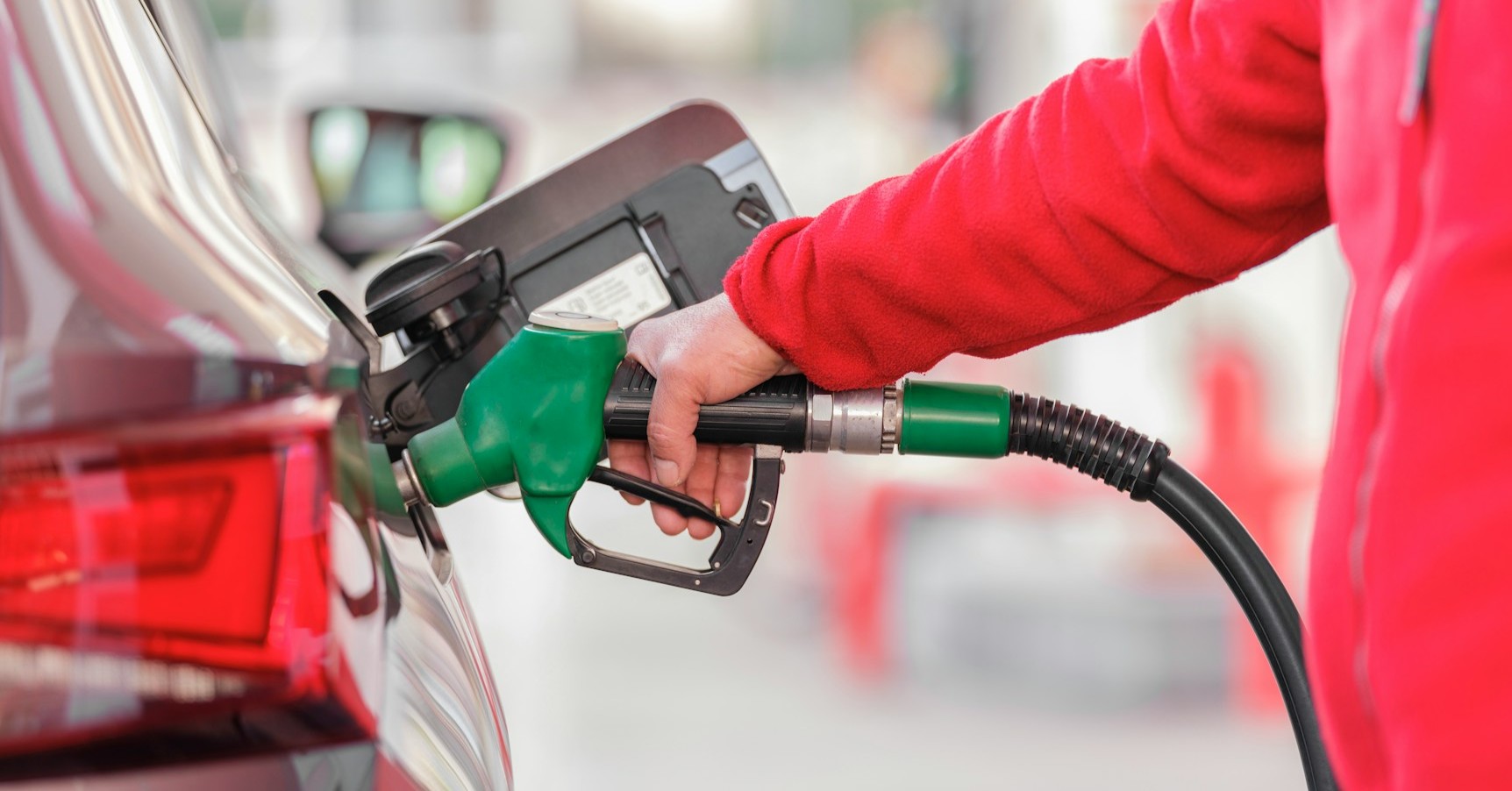

When you pull up to a petrol station in South Africa, you’ll typically be offered two types of unleaded petrol: 93 and 95. Both are suitable for most modern vehicles, but they’re not the same.
The number refers to the octane rating, which measures how well the fuel resists knocking or pinging during combustion. A higher octane rating (like 95) can handle more pressure before igniting, making it ideal for high-performance or turbocharged engines.
93 vs 95 Unleaded: What’s the Difference?
95 Octane: Common in coastal regions, offers better performance and fuel efficiency in certain engines, but comes at a slightly higher price.
93 Octane: More widely available inland (like Gauteng), slightly cheaper, suitable for most everyday vehicles.
When Should You Use 93?
93 octane fuel is perfectly safe for the majority of standard vehicles in South Africa, especially non-turbocharged or older models. If your car’s manufacturer recommends 93 or states “unleaded petrol” without specifying an octane, then 93 is usually a safe bet.
You’ll typically find 93 offered at inland fuel stations due to altitude – engines at higher elevations tend to perform better on slightly lower-octane fuels because of reduced air pressure.
Use 93 if:
- You want to save a bit at the pump
- You drive a standard commuter vehicle (e.g. Toyota Corolla, VW Polo, etc.)
- You live or drive mainly inland
When Should You Use 95?
95 octane is often the preferred fuel for high-performance or turbocharged engines, which require higher compression ratios. These engines benefit from the knock resistance of 95, especially under heavy loads or high revs.
You’ll find 95 offered more frequently at the coast (e.g. Cape Town, Durban), where higher octane helps compensate for sea-level engine performance.
Use 95 if:
- You’re travelling to lower altitude areas and want optimal performance
- Your vehicle manual specifically recommends or requires 95
- You drive a turbocharged or high-performance engine
What Happens If You Use the “Wrong” One?
Generally, using 93 in a car that prefers 95 won’t cause instant damage, but it could lead to reduced performance, fuel efficiency, or engine knocking in the long run.
On the flip side, using 95 in a car designed for 93 won’t harm your engine, but you’re unlikely to see any major benefits – just a higher fuel bill.
How New Drivers Can Tell What Fuel to Use
If you’re a new driver or just got your first car, here’s how to find the right fuel:
- Check the fuel cap or flap – Most cars have a sticker inside the fuel cap that states the recommended fuel type (e.g. “Unleaded 95 only”).
- Consult your owner’s manual – The manufacturer will always specify the minimum octane rating suitable for your engine.
- Ask your dealer or mechanic – If you’re unsure or bought a used car, ask a professional to check.
- Use apps like Fuelio or MyToyota – These can store your car details and remind you of the correct fuel type.
Tip: If the manual says “minimum 95 RON”, always use 95. If it says “93 or higher,” then you can safely use either, depending on availability and your budget.
Bottom Line
Both 93 and 95 unleaded petrols are widely available and safe in South Africa. The key difference lies in your car’s engine and driving needs. If in doubt, always go with what your manufacturer recommends – and don’t be afraid to ask at the pump.
Share this article to help others understand the difference between 93 and 95 fuel – especially if they’re new to driving in South Africa.